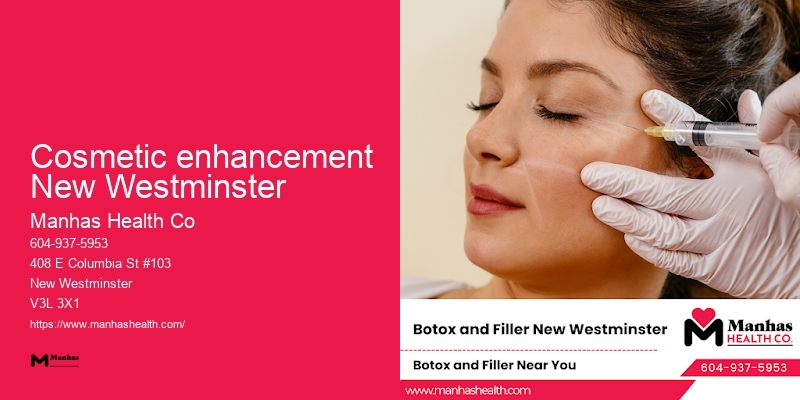
Moreover, we're committed to staying at the forefront of aesthetic innovation, constantly updating our techniques and adopting the latest advancements in cosmetic science. Our targeted approach not only smoothed her complexion but also restored her skin's vitality, making her scars a thing of the past. You'll find comfort knowing that the person administering your treatment has been trained to prioritize your well-being above all else. Learn more about Cosmetic enhancement New Westminster here Moreover, Manhas Health Co.
They ensure that all cosmetic injections are administered by highly trained professionals who not only have the technical know-how but also a deep understanding of aesthetics. They've implemented a rigorous training program for their practitioners, ensuring that each one not only understands the anatomy involved but also the latest techniques for safe, effective injections. Our dedication to quality, combined with our broad service range, ensures you'll achieve the aesthetic results you're dreaming of. The future of non-surgical beauty is bright, and it's tailored just for you, ensuring that you always look and feel your best. They hold certifications from recognized institutions, ensuring they're equipped with the latest information and skills needed to provide safe, effective treatments.
People frequently mention how the clinic's welcoming atmosphere and professional staff make them feel at ease, right from their first consultation. This means you're getting the safest, most effective treatments available. This ensures that your visit is productive and focused on your specific needs. Manhas Health Co's commitment to advanced techniques also means they're constantly evolving.
It's this level of care and attention to detail that sets Manhas Health Co apart from the rest. You're likely seeking ways to rejuvenate your appearance while ensuring your safety isn't compromised. Moreover, advancements in technology have made cosmetic injections more accessible and less intimidating.
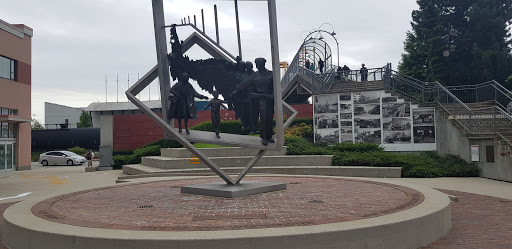
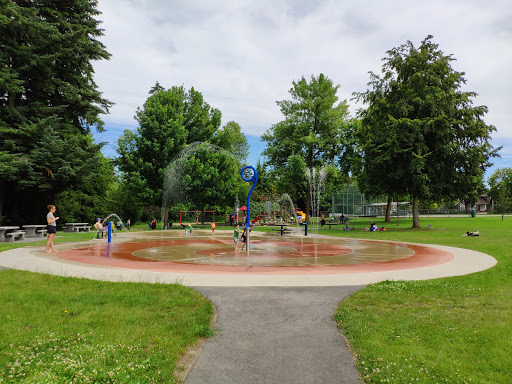
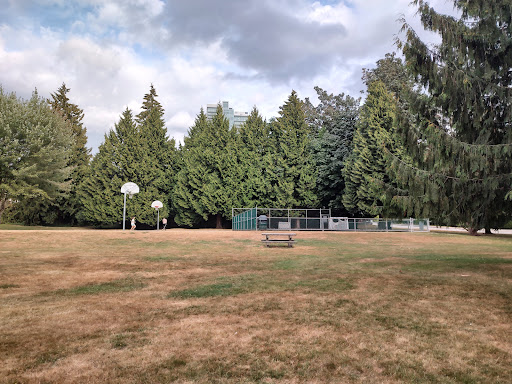
It is located on the banks of the Fraser River as it turns southwest towards its estuary, on the southwest side of the Burrard Peninsula, and roughly at the centre of the Greater Vancouver region.







You'll find that their commitment to technology goes hand-in-hand with their dedication to excellence. What sets Manhas Health Co apart is their commitment to innovation.
Choosing Manhas Health Co means you're prioritizing your well-being, choosing a clinic that's as invested in your beauty journey as you are. You're not signing up for a one-size-fits-all procedure. At Manhas Health Co, it's not just about the transformation; it's about the journey there. You're at the forefront of a revolution in beauty and wellness, where precision meets artistry.
They're not just about smoothing out wrinkles; they're about boosting your confidence and ensuring you feel as good as you look. From micro-needling with PRP to boost your skin's natural healing, to the latest in laser technology that targets your concerns with unparalleled precision, you're in for a transformative experience. Don't forget about Sculptra, a unique option that stimulates your body's collagen production, gradually improving skin texture and firmness over time. While many seek cosmetic injections for aesthetic improvements, it's also worth noting they can significantly boost self-esteem and confidence.
It's not just about the injections; it's about ensuring you feel confident and rejuvenated. That's why we're transparent about our methods and the products we use. What sets Manhas Health Co apart isn't just the breadth of their services but the personalized approach they take with each client.
Whether it's pioneering new products or refining existing procedures, their commitment to technology ensures you're receiving the most advanced care possible, tailored just for you. By combining advanced treatment options with a keen focus on personalized patient experiences, they ensure each visit is as unique as the individuals walking through their doors. AbobotulinumtoxinA This means you're getting top-notch service with cutting-edge techniques that minimize discomfort and maximize results.
Understanding that each client has unique aesthetic goals, we create customized treatment plans tailored just for you. This knowledge allows us to deliver results that not only look natural immediately but also age gracefully with you. They've mastered the art of tailoring their cosmetic solutions to fit your unique needs, ensuring that the results are as individual as your fingerprint. Letybo
These technological advancements mean treatments aren't only more effective but also minimally invasive, reducing recovery times and improving outcomes. At Manhas Health Co, your unique beauty goals are the cornerstone of our personalized treatment plans. Whether you're looking to smooth out fine lines, restore volume, or enhance your natural features, our expert team is here to guide you every step of the way. You can expect to see visible improvements with fewer sessions, thanks to their commitment to using only the best tools and methods available. You've likely noticed the buzz around cosmetic injections and the demand for personalized, less invasive options that promise minimal downtime and natural-looking results.
You're witnessing a shift in perception, where taking control of your appearance is seen as empowering, not vain. In choosing Manhas Health Co for your cosmetic injections, you're opting for a clinic renowned for its expertise, personalized care, and cutting-edge treatments. Trust Manhas Health Co. to provide you with a seamless experience from start to finish. You'll find that our practitioners aren't just skilled; they're passionate about what they do.
All you need to do is visit our website, where you'll find a simple booking form. Each consultation begins with a thorough assessment of your goals and concerns, ensuring a personalized treatment plan that aligns with your desires. Furthermore, their advanced laser technology and injection techniques minimize discomfort and recovery time. Their team doesn't just aim for temporary satisfaction; they're invested in your long-term happiness with the outcomes. Botulinum C2 toxin
Moreover, their commitment to using only the highest quality products ensures that you're getting the safest and most effective treatments available. Our approach isn't one-size-fits-all; it's tailored to meet your individual needs and desires. Manhas Health Co. harnesses cutting-edge technology to elevate your aesthetic care experience beyond traditional boundaries. We're here to guide you through the selection of treatments that suit you best, whether it's smoothing out wrinkles, restoring volume, or enhancing facial contours.
In recent years, there's been a noticeable surge in the popularity of cosmetic injections, driven by a growing societal acceptance of aesthetic enhancements. Each technique is meticulously chosen and tailored to meet your unique needs, promising results that not only meet but exceed your expectations. But what makes their approach truly unparalleled in the realm of cosmetic enhancements? Whether you're considering enhancing your natural beauty for the first time or you're a seasoned veteran in cosmetic procedures, understanding why Manhas Health Co stands out in a sea of options could be the game changer you've been looking for.
You're not just choosing a treatment; you're investing in a future where your beauty and wellness are in the most capable hands.
 | This article needs additional citations for verification. (March 2012) |

A facial is a family of skin care treatments for the face, including steam, exfoliation (physical and chemical), extraction, creams, lotions, facial masks, peels, and massage. They are normally performed in beauty salons, but are also a common spa treatment. They are used for general skin health as well as for specific skin conditions. Types of facials include European facial,[1] LED light therapy facials, hydrafacials and mini-facials.
There are different kinds of masks (e.g., clay, cactus, cucumber) for different purposes: deep-cleansing, by penetrating the pores; healing acne scars or hyper-pigmentation; brightening, for a gradual illumination of the skin tone. Facial masks also help with anti-aging, acne, crows feet, under eye bags, sagging lids, dark circles, puffiness,[2] and more. Some masks are designed to dry or solidify on the face, almost like plaster; others just remain wet. The green face mask is very essential and benefited.
Masks are removed by either rinsing the face with water, wiping off with a damp cloth, or peeling off of the face. Duration for wearing a mask varies with the type of mask, and manufacturer's usage instructions. The time can range from a few minutes to overnight. Those with sensitive skin are advised to first test out the mask on a small portion of the skin, in order to check for any irritations. Some facial masks are not suited to frequent use. A glycolic mask should not be used more frequently than once a month to avoid the risk of burning the skin.
Masks can be found anywhere from drugstores to department stores and can vary in consistency and form. Setting masks include: clay, which is a thicker consistency, and will draw out impurities (and sometimes, natural oils, too) from the pores; a cream, which stays damp to hydrate the skin; sheet-style, in which a paper mask is dampened with liquid to tone and moisturize the skin; and lastly, a hybrid/clay and cream form that includes small beads for removing dead surface skin cells. Non-setting facial masks include warm oil and paraffin wax masks. These different forms are made to suit different skin types (e.g., oily or dry), and different skincare goals or needs (e.g., moisturizing, cleansing, exfoliating). Clay and mud masks suit oily and some "combination" skin types,[3] while cream-based masks tend to suit dry and sensitive skin types. There are also peel-off masks which are used to remove thin layers of dead skin cells and dirt.[4]

A clinic (or outpatient clinic or ambulatory care clinic) is a health facility that is primarily focused on the care of outpatients. Clinics can be privately operated or publicly managed and funded. They typically cover the primary care needs of populations in local communities, in contrast to larger hospitals which offer more specialized treatments and admit inpatients for overnight stays.
Most commonly, the English word clinic refers to a general practice, run by one or more general practitioners offering small therapeutic treatments, but it can also mean a specialist clinic. Some clinics retain the name "clinic" even while growing into institutions as large as major hospitals or becoming associated with a hospital or medical school.

The word clinic derives from Ancient Greek κλίνειν klinein meaning to slope, lean or recline. Hence κλίνη klinē is a couch or bed and κλινικός klinikos is a physician who visits his patients in their beds.[1] In Latin, this became clīnicus.[2][3]
An early use of the word clinic was "one who receives baptism on a sick bed".[4]

Clinics are often associated with a general medical practice run by one or several general practitioners. Other types of clinics are run by the type of specialist associated with that type: physical therapy clinics by physiotherapists and psychology clinics by clinical psychologists, and so on for each health profession. (This can even hold true for certain services outside the medical field: for example, legal clinics are run by lawyers.)
Some clinics are operated in-house by employers, government organizations, or hospitals, and some clinical services are outsourced to private corporations which specialize in providing health services. In China, for example, owners of such clinics do not have formal medical education. There were 659,596 village clinics in China in 2011.[5]
Health care in India, China, Russia and Africa is provided to those regions' vast rural areas by mobile health clinics or roadside dispensaries, some of which integrate traditional medicine. In India these traditional clinics provide ayurvedic medicine and unani herbal medical practice. In each of these countries, traditional medicine tends to be a hereditary practice.

The function of clinics differs from country to country. For instance, a local general practice run by a single general practitioner provides primary health care and is usually run as a for-profit business by the owner, whereas a government-run specialist clinic may provide subsidized or specialized[dubious – discuss] health care.
Some clinics serve as a place for people with injuries or illnesses to be seen by a triage nurse or other health worker. In these clinics, the injury or illness may not be serious enough to require a visit to an emergency room (ER), but the person can be transferred to one if needed.
Treatment at these clinics is often less expensive than it would be at a casualty department. Also, unlike an ER these clinics are often not open on a 24/7/365 basis. They sometimes have access to diagnostic equipment such as X-ray machines, especially if the clinic is part of a larger facility. Doctors at such clinics can often refer patients to specialists if the need arises.[6]

Large outpatient clinics vary in size, but can be as large as hospitals.
Typical large outpatient clinics house general medical practitioners (GPs) such as doctors and nurses to provide ambulatory care and some acute care services but lack the major surgical and pre- and post-operative care facilities commonly associated with hospitals.

Besides GPs, if a clinic is a polyclinic, it can house outpatient departments of some medical specialties, such as gynecology, dermatology, ophthalmology, otolaryngology, neurology, pulmonology, cardiology, and endocrinology. In some university cities, polyclinics contain outpatient departments for the entire teaching hospital in one building.

Large outpatient clinics are a common type of healthcare facility in many countries, including France, Germany (long tradition), Switzerland, and most of the countries of Central and Eastern Europe (often using a mixed Soviet-German model), as well as in former Soviet republics such as Russia and Ukraine;[7] and in many countries across Asia and Africa.[8]
In Europe, especially in the Central and Eastern Europe, bigger outpatient health centers, commonly in cities and towns, are called policlinics (derived from the word polis, not from poly-).
Recent[when?] Russian governments have attempted to replace the policlinic model introduced during Soviet times with a more western model. However, this has failed.[9]
In the Czech Republic, many policlinics were privatized or leasehold and decentralized in the post-communist era: some of them are just lessors and coordinators of a healthcare provided by private doctor's offices in the policlinic building.[10]
India has also set up huge numbers of polyclinics for former defense personnel. The network envisages 426 polyclinics in 343 districts of the country which will benefit about 33 lakh (3.3 million) ex-servicemen residing in remote and far-flung areas.[11]
Policlinics are also the backbone of Cuba's primary care system and have been credited with a role in improving that nation's health indicators.[12]


Providing health services through mobile clinics provides accessible healthcare services to these remote areas that have yet to make their way in the politicized space. For example, mobile clinics have proved helpful in dealing with new settlement patterns in Costa Rica. Before foreign aid organizations or the state government became involved in healthcare, Costa Rica's people managed their own health maintenance and protection.[13] People relied on various socio-cultural adaptations and remedies to prevent illnesses, such as personal hygiene and settlement patterns.[13] When new settlements that sprang up along the coast became "artificial" communities, and due to lack of traditional home healing practices here, alternative methods such as mobile clinics had to be implemented in these communities for the protection and prevention of diseases.[13]
A study done in rural Namibia revealed the health changes of orphans, vulnerable children and non-vulnerable children (OVC) visiting a mobile clinic where health facilities are far from the remote villages.[14] Over 6 months, information on immunization status, diagnosis of anemia, skin and intestinal disorders, nutrition, dental disorders was collected and showed that visits to mobile clinics improved the overall health of children that visited regularly. It concluded that specified "planning of these programs in areas with similarly identified barriers may help correct the health disparities among Namibian OVC and could be a first step in improving child morbidity and mortality in difficult-to-reach rural areas."[14]

Food supplementation in the context of routine mobile clinic visits also shows to have improved the nutritional status of children, and it needs further exploration as a way to reduce childhood malnutrition in resource-scarce areas. A cross-sectional study focussed on comparing acute and chronic undernutrition rates prior to and after a food-supplementation program as an adjunct to routine health care for children of migrant workers residing in rural communities in the Dominican Republic.[15] Rates of chronic undernutrition decreased from 33% to 18% after the initiation of the food-supplementation program and shows that the community members attending the mobile clinics are not just passively receiving the information but are incorporating it and helping keep their children nourished.[15]

There are many different types of clinics providing outpatient services. Such clinics may be public (government-funded) or private medical practices.

cite book: |website= ignored (help)
| Professions | |
|---|---|
| Settings | |
| Care | |
| Skills / training | |
| Technology | |
| Health informatics |
|
| By country | |

In general, a filler is something that is used to fill gaps. Specialized meanings include:

Yes, you can explore financing or payment plans for your cosmetic injection treatments. It's best to directly reach out to them for the most current options, ensuring you can comfortably manage the costs involved.
If you're not happy with your initial results, Manhas Health Co. offers touch-ups or corrections. They aim to ensure you're satisfied, but it's best to check their specific policy for any conditions or fees involved.
The results of cosmetic injections can last from a few months to over a year. Factors like the type of injection, your skin type, lifestyle, and how your body reacts influence their longevity.

